Med sol, värme och salta bad kommer ofta finnarna som ett (sommar-)vykort på posten. Här är vår hudterapeut Emmas guide till hudvårdsrutinerna, produkterna och vanorna som håller aknen i styr även under de heta månaderna.
Av Emma Stenman, Utbildad och auktoriserad hudterapeut
Varför får jag mer finnar på sommaren?
Det finns olika anledningar till att du får fler finnar under sommaren. Ett vanligt tillstånd är så kallad "Mallorca-akne" – som inte har något att göra specifikt med den ö som bär dess namn – men som dyker upp i samband med sommar och solsemester, främst bland kvinnor.
Det korrekta, medicinska namnet är Acne Aestivalis. Denna akne är en typ av solallergi som orsakas av UV-strålning i kombination med vissa tilltäppande ingredienser i solprodukter. Mallorca-akne påminner mycket om det typ av finnar som man kan få av vissa tilltäppande sminkprodukter. Mallorca-akne kan också triggas av svett och badkläder eller andra åtsittande kläder som bär rester av svett eller solkräm. Ofta sitter finnarna på bröstet. Efter solexponering kan det ofta visa sig som små finnar eller plitor/utslag. Det enklaste sättet att undvika denna allergi är att hoppa över att aktiv ligga i solen. Produktval gör också skillnad.
En annan anledning till att du får "solfinnar" är värmen. Höga temperaturer gör att talgproduktionen kan öka något - samtidigt som de uttorkande effekterna från solen och salt vatten gör att huden är i större behov av fukt. Kombinationen av att huden producerar mer talg, samtidigt som den har ett större behov av fukt, gör att den kan hamna i obalans.
Hur undviker jag att aknen blir värre på sommaren?
Akne kan triggas av sol och värme. Höga temperaturer gör att talgproduktionen kan öka något - samtidigt som de uttorkande effekterna från solen och salt vatten gör att huden är i större behov av fukt. Kombinationen av att huden producerar mer talg, samtidigt som den har ett större behov av fukt, gör att den kan hamna i obalans.
Hur undviker jag nya utbrott under sommaren?
Här är några enkla rutiner som hjälper dig att motverka förvärrad akne på sommaren.
RENGÖR! Rengör ordentligt två gånger med en mild rengöring om dagen för att få bort rester av solskydd, överflödig olja och svett.
EXFOLIERA! Använd en milt exfolierande toner med salicylsyra för att lösa upp proppar av döda hudceller, svett och talg som fastnat i porerna.
En bra hudvårdsrutin börjar alltid med rengöringen! Detta är ett super-viktigt steg för att undvika tilltäppta porer, eftersom tilltäppta porer kan orsaka akne.
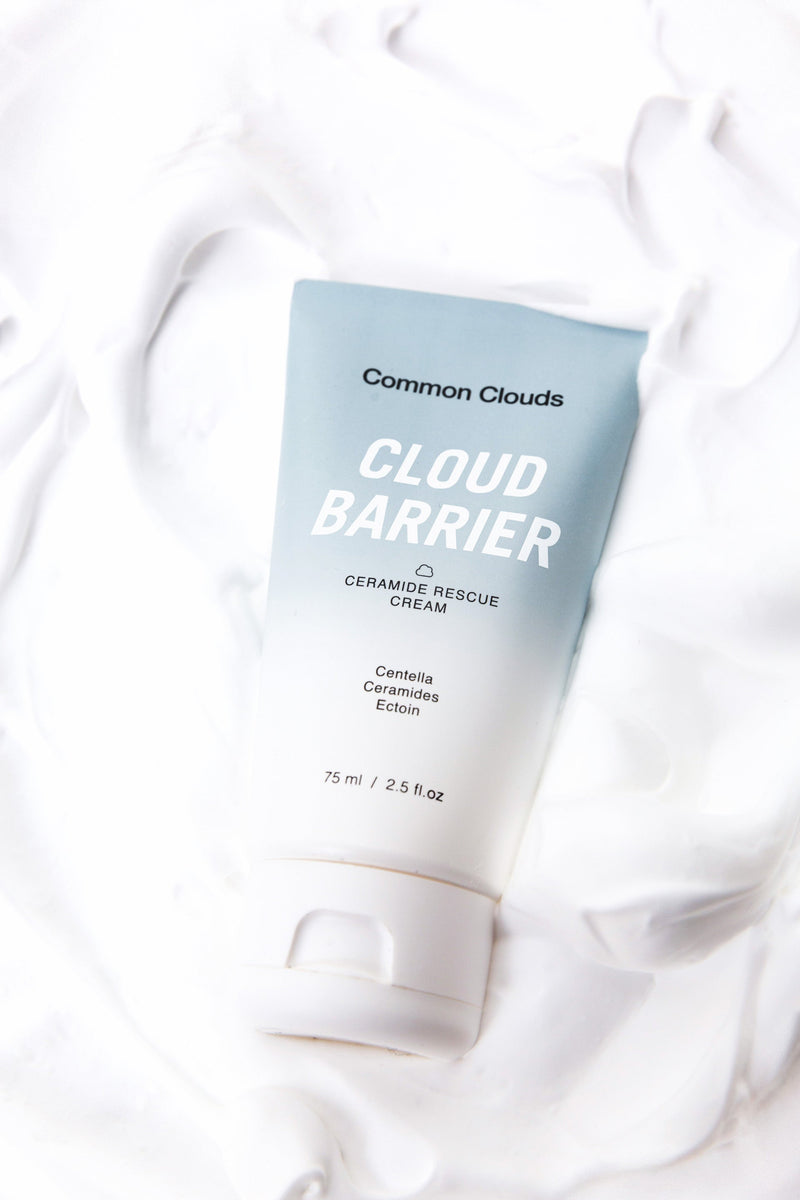
Cloud Wash avlägsnar enkelt smink, irriterande orenheter och överflödigt talg utan att torka ut eller störa hudens viktiga skyddsbarriär. Tvätta ansiktet två gånger (double-cleansing) för att vara säker på att få bort allt som kan ligga kvar på huden. Cloud Wash är perfekt för dubbelrengöring med en och samma produkt eftersom den är gjord med micellär teknologi som gör att den avlägsna oljebaserade produkter, som solskydd eller smink – trots att det är en vattenbaserad rengöring. Cloud Wash är en mycket snäll rengöring som respekterar hudens skyddsbarriär och ger en extra fuktskjuts. Dessutom verkar den lugnande och är lämplig även på känslig hud.
...MEN TVÄTTA INTE FÖR MYCKET! För att på bästa sätt undvika tilltäppta porer och finnar är det bra att tvätta ansiktet när du är särskilt svettig - till exempel efter att ha varit utomhus eller tränat. Men tvätta inte ansiktet för ofta. Håll det till max två tillfällen per dag (eller tre om du tränat mitt på dagen) för att vara snäll mot hudbarriären. Att vårda barriären är viktigt för dig med aknebenägen hud eftersom en försvagad barriärsfunktion kan förvärra utbrott i huden, liksom ge överdriven torrhet och irritation. En störd barriär gör det också ännu svårare att behandla befintlig akne. Med Cloud Wash kan du vara trygg i att du har en effektiv men helt barriärvänlig rengöringsgel!
2. Exfoliera med salicylsyra några gånger per vecka
Förutom att rengöra huden är det toppen att använda en produkt med BHA-syra (som salicylsyra). Salicylsyra är en syra som arbetar effektivt för att lösa upp ”gunk” som fastnat i porerna (en cocktail av döda hudceller, överskottstalg och svett som frestar aknebakterier), ta bort bort döda hudceller och fungera som en dammsugare för porerna!
Cloud Water är en toner som du använder efter rengöring. Svep med en bomullsrondell eller klappa in med händerna.
Cloud Water är tillräckligt mild för att användas varje dag för de flesta, men börja med 2-3 gånger per vecka om du är nybörjare på exfolierande syror eller har känslig hud. Exfoliera aldrig mer än en gång om dagen, och undvik att blanda med andra exfolierande produkter. Att överexfoliera huden kan störa barriären precis som för stark och intensiv rengöring.
3. Mist med hypoklorsyra
Hypoklorsyra är inte bara utmärkt för att tackla aknebakterier i ansiktet - den fungerar lika bra på kroppen tack vare sina antibakteriella och inflammatoriska effekter. Spraya ofta efter dusch och under/direkt efter träning för att förebygga utbrott och lugna arg hud.
Även fet hud behöver gott om återfuktning i värmen. Använd fuktkräm även om du känner dig oljig, men byt ut feta krämer mot lätta fuktgivare, som Cloud Jelly. Den innehåller 4 % niacinamid som balanserar hudens oljeproduktion, minimerar förstorade porer och ökar hudens återfuktningsnivå. Cloud Jelly är också fullpackad med återfuktande ingredienser som hyaluronsyra, vitamin B5 och glycerin, som ger huden tillräckligt med fukt så att den inte känner behov av att skruva på oljeproduktionen.
Du kan använda vårt underbara SOS-serum Cloud Milk under vilken fuktkräm som helst - serumet innehåller 10 % azelainsyra som skapar en mikroflora som aknebakterier inte trivs i. Azelainsyra motverkar också hyperpigmentering, som tenderar att öka på sommaren.
5. Använd en hög men lätt SPF
Dagligt solskydd är viktigt för ALLA hudtyper för att förhindra skador, men om du har ärr eller postinflammatoriska märken kan dessa förvärras om din hud börjar bli solbränd. Välj ett oljefritt, lätt solskydd (minst SPF 30, gärna SPF 50), och återapplicera varannan timme.
Common Clouds Cloud Screen är naturligtvis tillverkad utan några oljor eller fettsyror som är kända för att täppa till porerna. Shoppa Cloud Screen här!
Att använda solskyddsmedel har en rad fördelar som att förebygga för tidigt åldrande och hudcancer), men är minst lika viktigt om du vill minimera risken för solfinnar både i ansiktet och på kroppen.
Om du har aknebenägen hud eller lätt får finnar av att vistas i solen är det en bra idé att välja en solkräm med lätt konsistens för att undvika att täppa till porerna eftersom vissa solskyddskrämer faktiskt täpper till porerna och orsakar finnar.
Vad som täpper till huden är individuellt, men de flesta solskyddsmedelstillverkare anger tydligt på förpackningen om produkten anses vara icke-komedogen och lämplig för även oljig hud.
Skippa också kroppsprodukter i ansiktet eftersom de vanligtvis har en fetare konsistens som kan täppa till och orsaka finnar.
Andra tips som motverkar finnar på sommaren
COOLA NER! Håll dig sval i skuggan när solen är som starkast mitt på dagen. Svett som täpper till porerna, ökad oljeproduktion och hög luftfuktighet utgör den perfekta grogrunden för utbrott. Eftersom solen också torkar ut huden kan din hud kompensera genom att producera ännu MER talg som bakterierna kan frossa i.
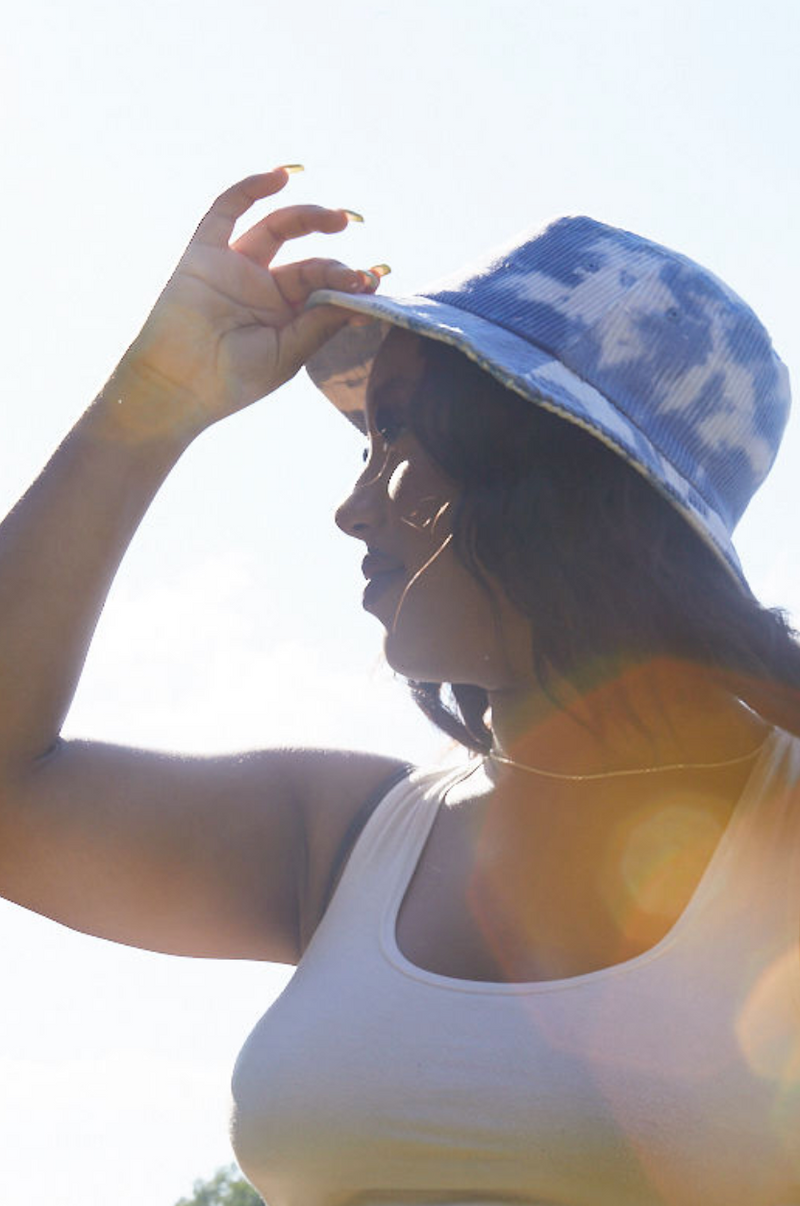
ANVÄND (REN!) HATT En keps eller hatt skyddar din hud från skadliga UV-strålar OCH är prick över i för sommarstilen! Men vara noga att rengöra insidan av hatten eller kepsen en gång i veckan för att förhindra utbrott i pannan. Så kallad ”acne mechanica”, där tyg, hjälmar eller kepsar/hattar gnider mot huden och stänger in svett och olja som täpper till porerna, är extra vanligt på sommaren
KLÄ DIG AKNE-SMART! Tränar du eller svettas i värmen? Åtsittande kläder i material som inte andas kan stänga in svett, bakterier och olja som fastnar i porerna. Duscha alltid direkt efter träningen eller om du varit svettig. Tvätta alltid dina träningskläder och badkläder för att få bort gammalt svett och rester av solkräm. Självklart kan du använda Cloud Water på området där du lätt får finnar, som ryggen (om du är tillräckligt flexibel), och bröstet.