Wearing sunscreen is the single most important investment you can make in your skin. Here's what our Skin Therapist wants you to know (especially if you have acne-prone and sensitive skin!).
By Emma Stenman, Certified Skin Therapist
Sure we all love the sun to top up with some vitamin D to keep us happy and healthy. But did you know that 80-90% of unwanted skin changes are caused by sun exposure? These changes can include:
Pigmentation and hyperpigmentation
Signs of premature aging, such as wrinkles, lines and loss of elasticity
Early breakdown of collagen, the protein that keeps skin bouncy
Sun allergy and sun eczema in sensitive skin
Skin cancer
How do I choose the right sunscreen for acne-prone skin?
If you have acne-prone skin or break out easily from being in the sun, it is a good idea to choose a sunscreen with a light consistency to avoid clogging your pores, as some sunscreens actually clog your pores and cause pimples.
What clogs the skin is individual, but most sunscreen manufacturers clearly indicate on the packaging if the product is considered non-comedogenic and suitable for even oily skin.
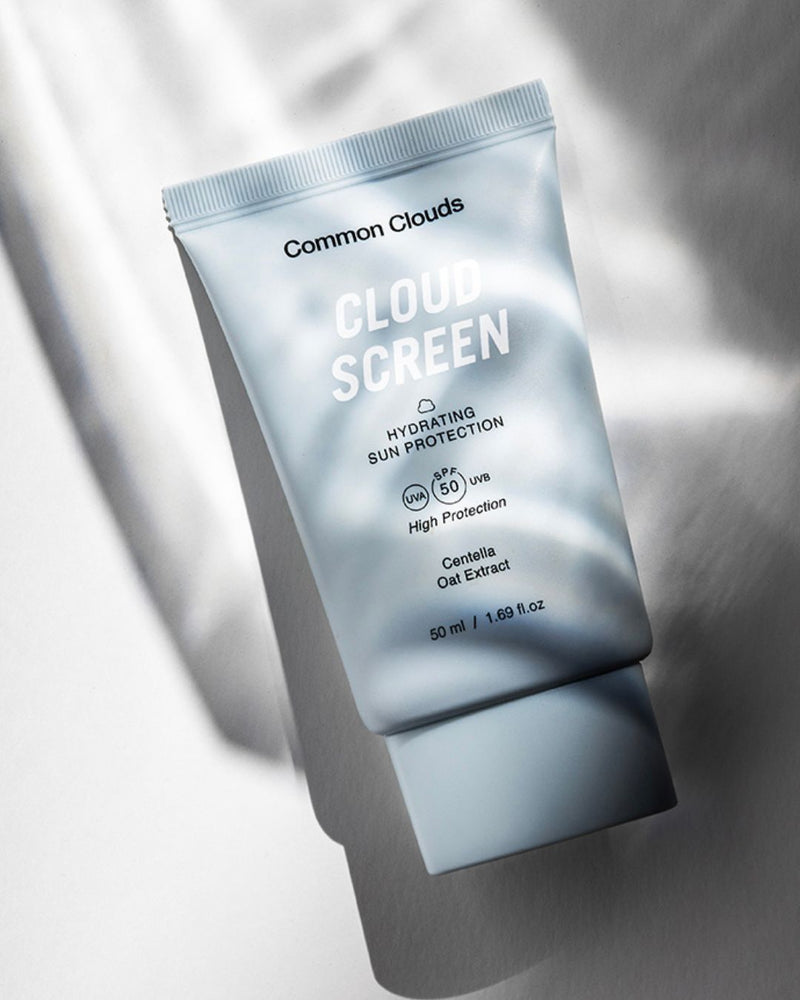
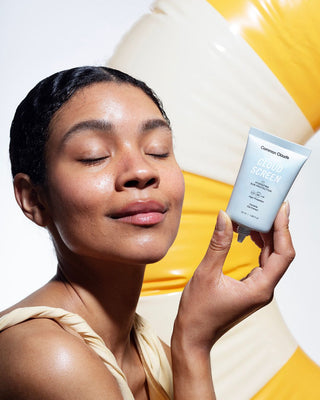
Common Clouds Cloud Screen is of course made without any oils or fatty acids that are known to clog pores. Shop Cloud Screen here!
How can I prevent sunscreen breakouts and that my acne gets worse in summer?
If you're prone to acne, breakouts and clogged pores, the summer heat and layering up on sunscreen can be a challenge. But there's some easy tricks that makes a big difference – and keep breakouts at bay!
DOUBLE-CLEANSING AT NIGHT – Proper cleansing is crucal! Use Cloud Wash to double-cleanse at night to remove every trace of sunscreen leftovers, excess oil and sweat. Simply start by masssaging Cloud Wash over dry skin to dissolve sunscreen filters and makeup. Rinse and cleanse as usual!
EXFOLIATE – Use a mild exfoliating toner with salicylic acid to dissolve trapped dead skin cells, sweat and sebum trapped in pores. Cloud Water is made with 2% salicylic acid – a BHA-acid that breaks through oil to really deep-clean pores. Use at least 3 times per week (but no more than once daily).
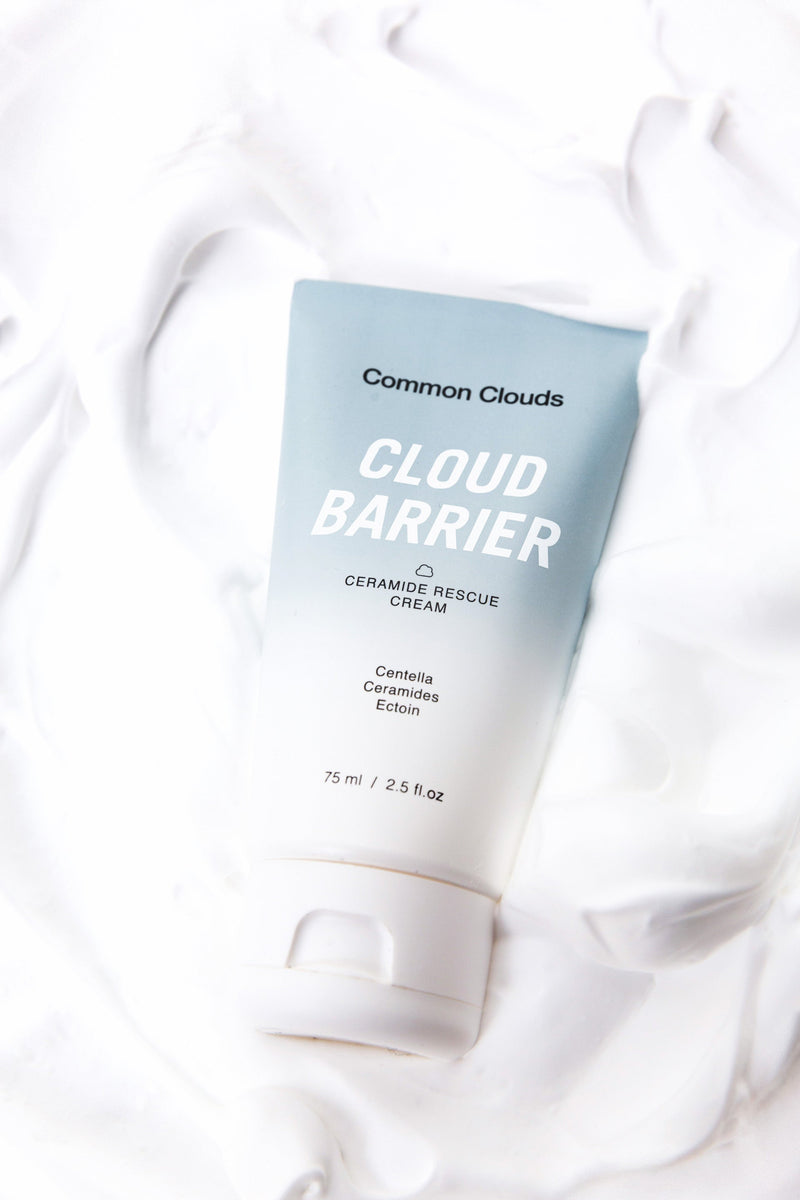
SWITCH TO OIL-FREE MOISTURISER – Switch to an oil-free moisturiser during the day. Our soothing and ultra-hydrating gel moisturiser Cloud Jelly is the ideal summer moisturiser – and sits great under Cloud Screen.
USE A NON-CLOGGING SUNSCREEN: Use our oil-free, non clogging sunscreen Cloud Screen. It's made without oils, filters or fatty acids know to clog up pores and trigger breakouts in sensitive skin. Cloud Screen also contains niacinamide that will help to prevent new breakouts and balance skin's oil production.
How often should I apply sunscreen?
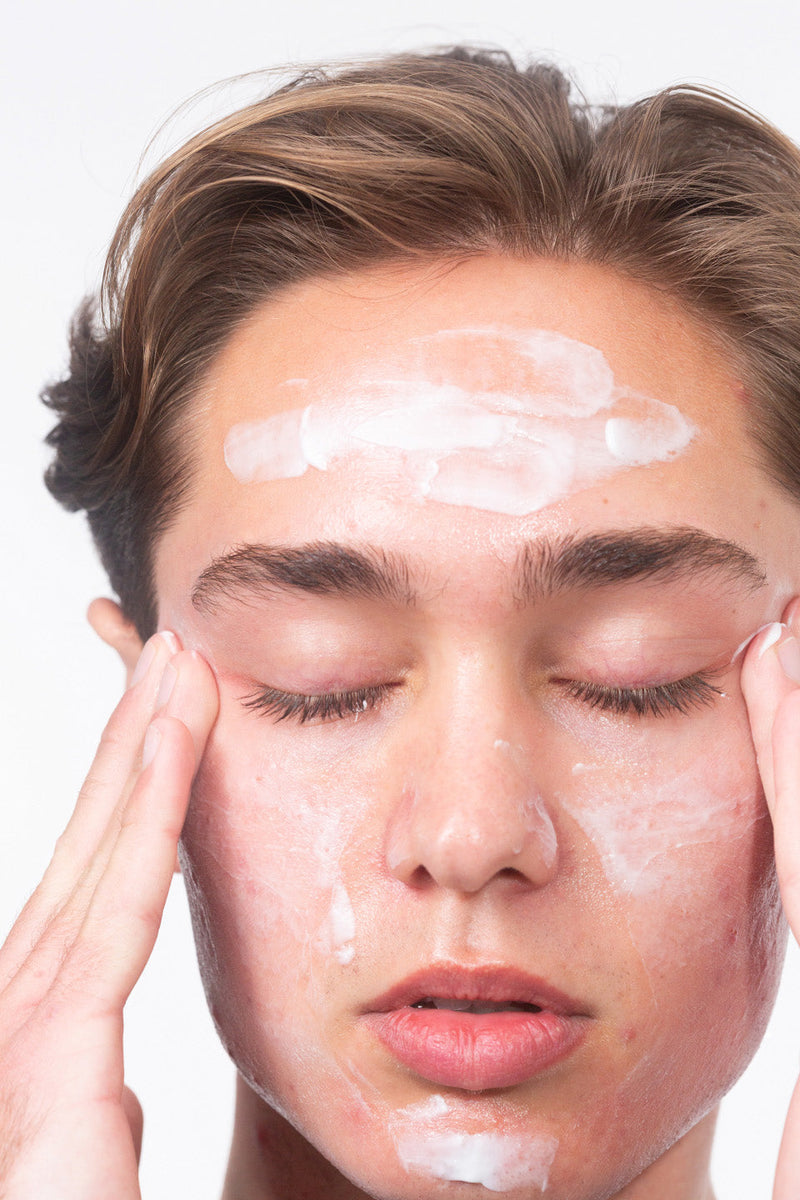
It is important to apply sunscreen every day as the last step in your morning skincare routine, even if it is cloudy. You should reapply every two hours when you are out in the sun, or more often if you have been sweating or bathing. You may also want to reapply even when you are indoors, especially if you sit near windows or use electronic devices that can emit UV radiation.
Does the sun fade acne and pimple scars/marks?
This is a myth that has been around for a long time unfortunately, the sun may do a lot for us (such as lifting our mood!) – but fading scars and marks is not one of its amazing properties.
Excessive sun exposure and/or insufficient sun protection can also cause pigmentation problems – especially in people with pimples or acne marks that are more prone to post-inflammatory hyperpigmentation.
Why should a skin with acne be more mindfull with SPF?
The sun's UV rays can make acne worse by irritating the skin and increasing inflammation. Sunscreen helps protect the skin from these harmful effects, which can reduce the risk of acne becoming more inflamed or acne scars becoming more prominent. In addition, some acne treatments, such as Isotretinoin, can make the skin more sensitive to the sun's rays, making sun protection even more important to avoid damage.
Can sunscreen make my acne worse?
There are sunscreens that can clog pores and cause more breakouts, especially if they contain heavy oils or are ‘comedogenic’ (pore-blocking). To avoid this, choose sunscreens that are non-comedogenic and formulated for acne-prone skin, such as Cloud Screen. There are also sunscreens with lighter, water-based or oil-free formulations that are good for acne-prone skin.
Can sunscreen help prevent acne scars?
Yes! In fact, sun protection is essential to prevent acne scars from becoming more visible. When skin is sun-damaged, scars can become darker and more noticeable, making skin look uneven.
By protecting your skin with sunscreen, you can reduce the risk of hyperpigmentation (dark spots) and prevent acne scars from being aggravated by the sun's UV rays.