How to decode comedogenic ingredients (without freaking out)
If you’ve ever stared at a skincare label wondering, “Is this going to clog my pores?” - you’re not alone. For anyone with breakout-prone skin, words like comedogenic can sound like red-flag territory. But here’s the truth: it’s not as scary as it sounds.
by Maria Ahlgren
What “Comedogenic” really means
“Comedogenic” is just science-speak for something thatmightclog pores. “Comedo” means clogged pore — so a comedogenic ingredient has the potential to create one. Butpotentialdoesn’t mean guaranteed. Whether something actually causes breakouts depends on how it’s used, your unique skin type, and what else is in the formula.
The comedogenic scale - simplified
Ingredients are give a number between 0 and 5 based on how likely they are to clog pores:
Comedogenicity is usually rated on a scale from 0 to 5, where each number reflects how likely an ingredient is to clog pores.
0 – The ingredient will not clog pores. 1–2 – Very low to low risk of causing congestion. 3 – Moderate risk of clogging pores — this can depend on the formulation and your skin type. 4–5 – Higher likelihood of pore blockage, especially in heavier products or on very oily skin.
Most well-formulated, non-comedogenic skincare products contain ingredients that fall between 0 and 2, making them generally safe for acne-prone skin.
Why it’s not one-size-fits-all
The reality is that there’s no scientifically validated, one-size-fits-all list of “bad ingredients” for acne-prone skin. How your skin responds to a product depends on the overall formulation, concentration of each component, and your skin’s individual biology — not just the comedogenic rating of a single ingredient.
Let’s break down why.
🧴 1. Formula matter
Skincare isn’t made up of single ingredients floating around on their own — it’s chemistry. The balance of a formula determines how it behaves on your skin.
An oil or emollient that might seem “cloggy” in theory (like Cetearyl Alcohol or Avocado Oil) can be completely harmless — even beneficial — when used in small amounts inside a lightweight, well-balanced cream.
Formulators use stabilisers, emulsifiers, and humectants that help oils spread evenly and absorb properly. That means a potentially comedogenic ingredient can actually help make a formula gentler and more hydrating, instead of clogging pores.
Think of it this way: Sugar on its own is sweet — but when you bake it into a recipe, the whole dessert changes. The same goes for skincare ingredients.
🔬 2. Skin types (and skin moods) vary
Your skin’s unique microbiome, oil production, and sensitivity level all affect how you respond to a product.
Someone with dry, flaky acne might need nourishing oils or fatty alcohols to heal their barrier — while someone with very oily, congested skin might prefer gel textures.
Even within the same person, skin can behave differently with seasons, hormones, or stress levels. That’s why one product might break you out one month but feel amazing the next.
Think of it this way: Comedogenic ratings are a guide, not gospel.
🌿 3. Processing and purity matter
Not all ingredients are created equal. How an ingredient is processed — refined, cold-pressed, hydrogenated, or fermented — can completely change how it behaves on your skin.
For example:
Raw coconut oil can be quite comedogenic (rating 4), while fractionated coconut oil (caprylic/capric triglyceride) is ultra-light and scores around 1.
Unrefined shea butter may clog some pores, but refined shea butter is far less likely to.
Fermented extracts (like fermented Houttuynia or Centella) can actually make plant compounds more bioavailable and gentler.
In short: refining and formulation can turn a potentially pore-clogging ingredient into a skin barrier hero.
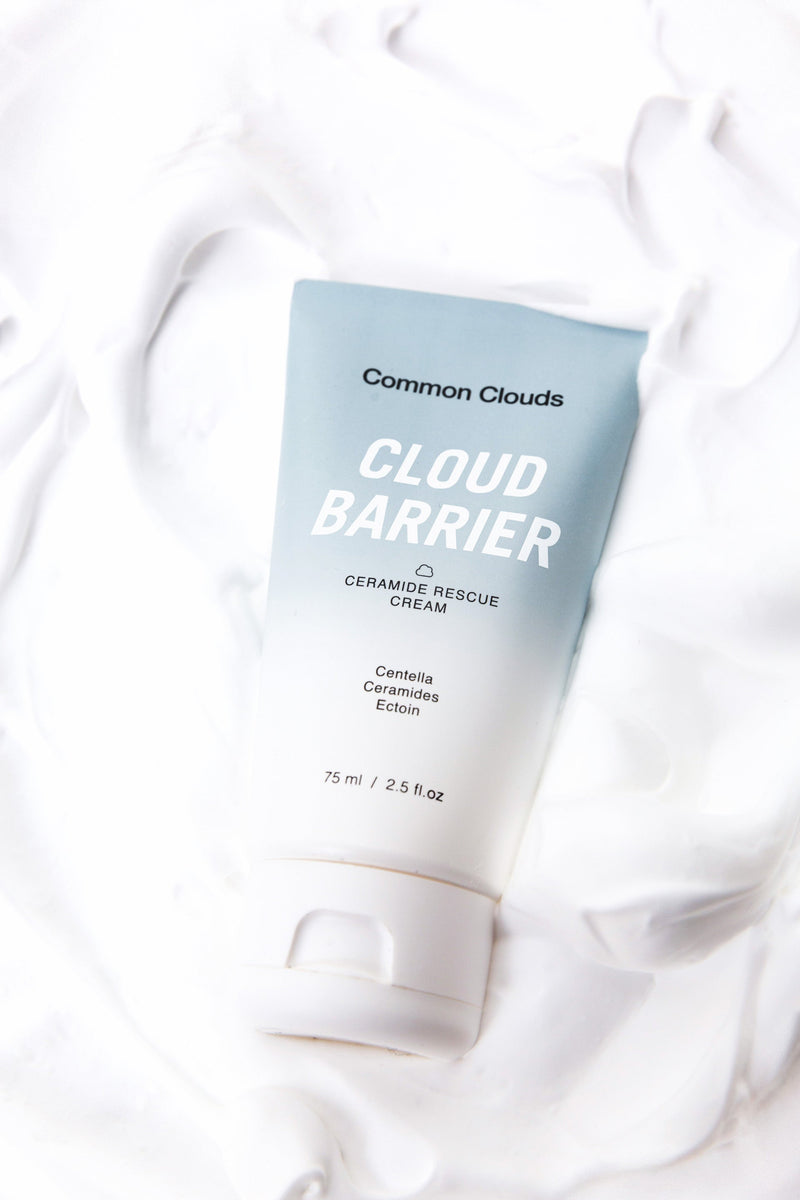
You don’t need to fear ingredient lists — you just need to understand them. Modern skincare – like Common Clouds – is guided by science and formulation balance, not guesswork.