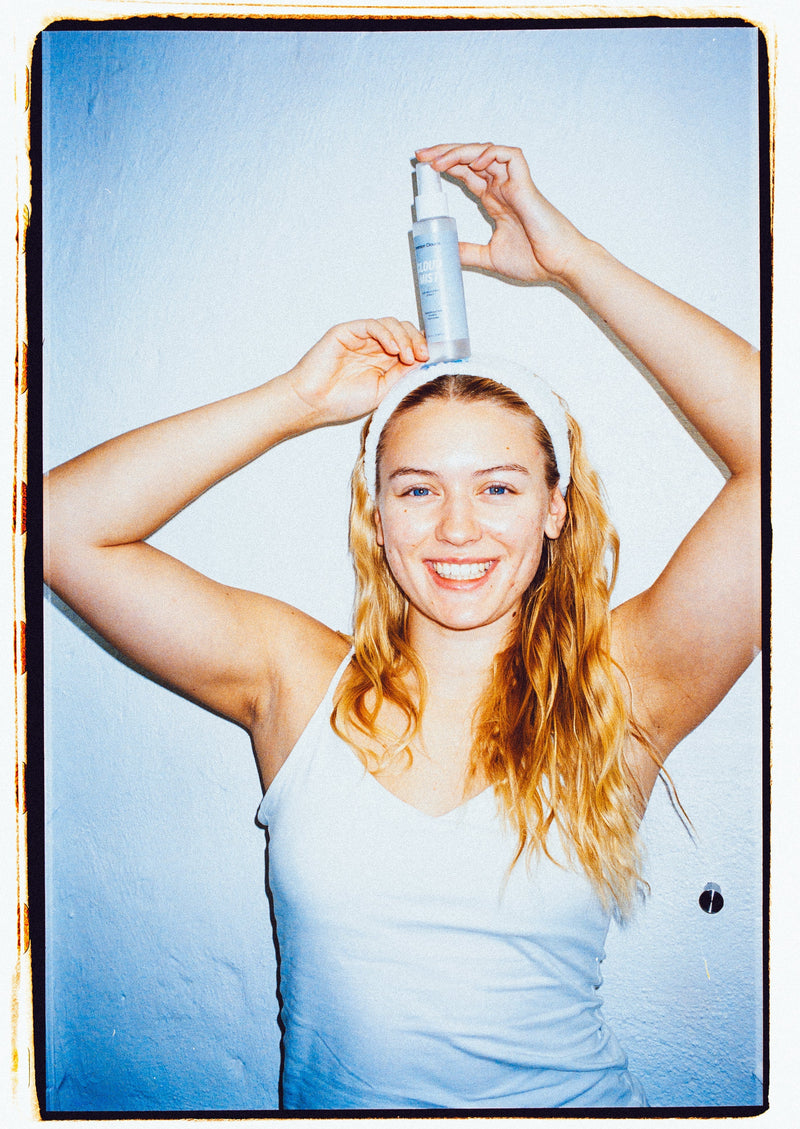
Got off the pill – and now you're getting hormonal acne like never before? Welcome to the Post-Pill Acne Club! In this article, we'll explore how common post-pill acne is, ways to treat it, and the reasons behind this frustrating phenomenon.
No matter the reason why you're going off birth control, it can be a significant change for your skin. As many women have experienced, post-pill acne is very real.
How common is post-pill acne?
Post-pill acne is more common than you might think. When we decide to quit birth control pills, our hormone levels can fluctuate dramatically. These hormonal shifts can lead to an array of side effects, and acne is one of the most frequently reported.
The severity of post-pill acne varies from person to person. Some experience mild breakouts, while others face more severe cases. The appearance of post-pill acne can range from blackheads and whiteheads to painful cystic acne. Post-pill acne typically peaks around 3-6 months after going off the birth control pill an can take months to treat. Therefore, it's important to be consistent with your skincare and treatments methods.
Why do I get post-pill acne?
The reasons why we experience acne after we stop taking birth control pills are complex. Here are some key factors:
Hormonal imbalance. Birth control pills work by regulating hormones, and when you stop taking them, your body needs time to readjust. Hormonal fluctuations can trigger acne. Some types of birth control can reduce acne and are occasionally prescribed for this purpose. Acne can return when you stop taking the pills.
Increased androgens. Some women experience an increase in androgen hormones after stopping the pill. Elevated androgens can stimulate excess oil production in the skin, leading to acne.
Genetics. Genetic factors play a role in acne development. If you have a family history of acne, you may be more prone to post-pill breakouts.
Stress. Stress can exacerbate acne by increasing inflammation and hormone production. Managing stress through relaxation techniques can help.
How long will I have post-pill acne?
How long the acne lasts can vary – for some it can take up to 2 years, and be very mentally taxing. However, you can probably expect to see your skin normalise within months if you address the problems early on.
How to I treat post-pill acne?
Start from within.
Even months before you stop taking your contraceptive pill, take a holistic approach to your skin.
Try to manage stress levels (hard, we know!), get enough sleep and have a balanced diet.
For many women, reducing the intake of caffein can have a positive effect on the hormonal rollercoaster, and raging stress levels.
Gut health and a healthy microbiome is linked to hormonal balance. A fibre-rich diet based on vegetables, fruits and wholegrains act as prebiotics that feeds healthy bacteria in your gut.
Probiotic foods like kimchi, kombucha or yoghurt are also great to help your microbiome to thrive. We also love popping a daily probiotic supplement.
Anti-inflammatory Omega-3 fats from oily fish, chia seeds and walnuts are great to boost skin from within.
Cutting down on high-glycemic, sugary foods that fires up inflammnation in the body, and dairy, that is linked to acne in several studies, might be helpful.
Have a gentle but effective skincare routine.
Everyday, use a mild cleanser, non-comedogenic moisturiser, and sunscreen. Avoid drying cleansers with sulphates and harsh scrubs that can exacerbate acne.
2-3 times/week, use salicylic acid to help unclog pores and reduce inflammation.
Always introduce one new product at a time so you don't overwhelm skin.
Resist the urge to pop or scratch your pimples – doing that can worse the inflammation and cause scarring that's more difficult to treat than the acne itself. Instead, use a pimple patch to allow your pimple to heal in peace.
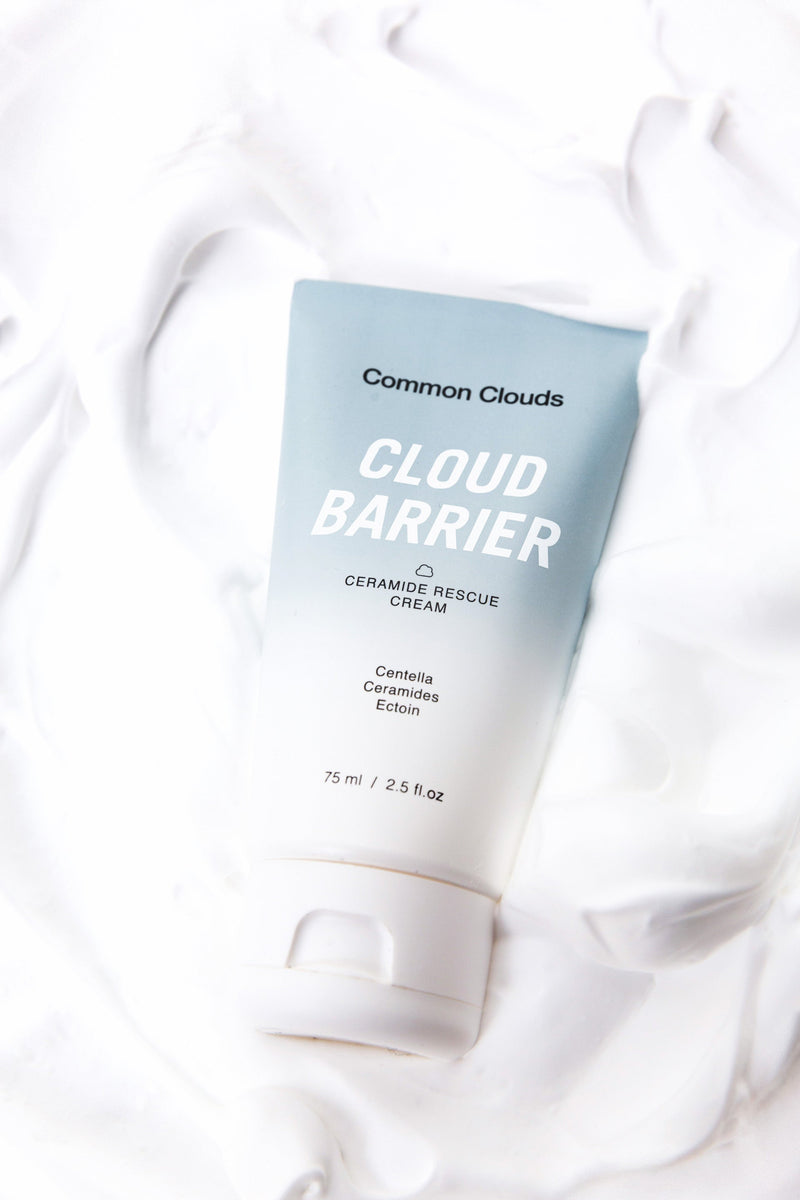
Common Clouds products are ideal if you suffer from post-pill acne.
Seek medical advice if needed
If your skin is at risk of scarring, or if the acne is affecting your mental wellbeing, don't wait to seek medical help. For more severe cases, dermatologists may prescribe topical or oral medication to combat the inflammation and bacteria associated with acne.
A skin-therapist can also guide you in the post-pill jungle, and help you to find the right routine for your skin.
In conclusion, post-pill acne is a common concern for many women, but it's important to remember that it's treatable. Developing a skincare routine, consulting with a dermatologist, and addressing hormonal factors are essential steps in managing and eventually overcoming post-pill acne.