Many of us in Team Common Clouds have used Epiduo, and here's our best tips!
On the other hand, we denounce with righteous indignation and dislike men who are so beguiled and demoralized by the charms of pleasure of the moment, so blinded by desire, that they cannot foresee the pain and trouble that are bound to ensue; and equal blame belongs to those who fail in their duty through weakness of will, which is the same as saying through shrinking from toil and pain.
What is Epiduo?
Epiduo is a prescription cream used to treat and prevent acne. It contains two active ingredients, benzoyl peroxide and adapalene (vitamin A), which work in different ways to reduce acne. Benzoyl peroxide fights acne-causing bacteria and reduces inflammation, while adapalene stimulates cell turnover, helping skin cells shed faster, thereby preventing clogged pores.
Doctors often prescribe Epiduo in combination with antibiotics.
Why does my skin get dry and irritated from Epiduo?
Epiduo, like other prescription creams, contains active ingredients that can make the skin dry, flaky, and red, especially at the start of treatment. Believe us – we’ve experienced that “burning face” sensation ourselves (luckily, it subsided after the first couple of weeks). You should always consult your dermatologist if you experience troublesome side effects or feel worried about your skin's reaction. Often, derms recommend reducing the application to every other night during the first few weeks to ease the side effects, a routine that really helped us during the early stages of our treatments.It’s also important to remember that you only need a very small amount of Epiduo. Applying more won’t speed up the effects on acne but only lead to unnecessary irritation.
What moisturiser can I use with Epiduo?
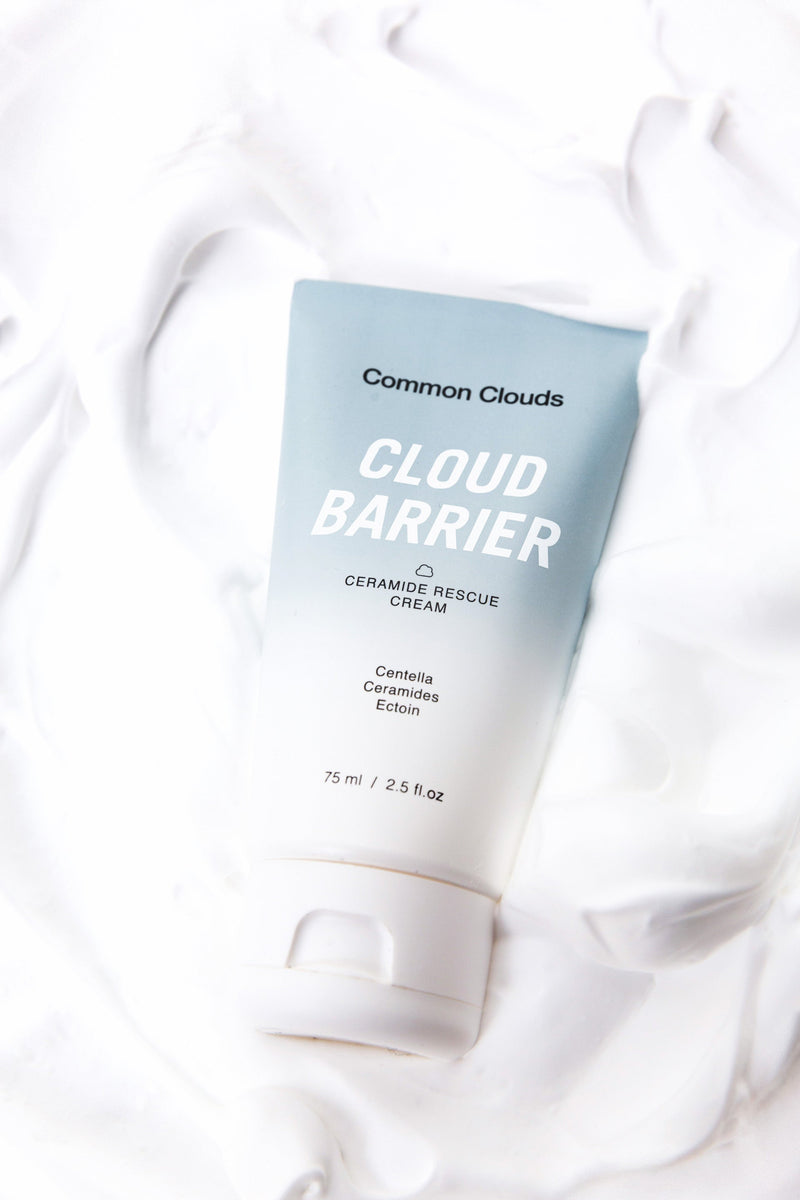
Skin treated with Epiduo or other acne creams needs TONS of hydration to counterbalance the dryness. After applying Epiduo, wait a few minutes and then apply a moisturizer with high moisture content but low oil content. Common Clouds' oil-free gel moisturiser, Cloud Jelly, is perfect to use in combination with Epiduo treatment. It also contains several calming and redness-reducing ingredients like panthenol and centella, that will help your skin ease through the storms.
What is a good skincare routine while using Epiduo?
"Less is more" is the KEY when using prescription acne creams like Epiduo. These creams are so active that it's essential to pause all active skincare products, like retinol and exfoliating acids, until the treatment is finished. The vitamin A in Epiduo increases cell turnover, and using products with similar properties – like retinol or exfoliating acids – can overburden the skin and send it into a state of even more stress.
There WILL be a time when you can play around with "magic" lotions and potions again, but during this period, let active products stay on the shelf and focus on a “back to basics” routine with cleansing, moisturising, and sun protection. This is your time to practice skin minimalism!
Example of a good skincare routine when on acne treatment
CLOUD WASH – Gentle Cleanser. A SUPER-mild cleanser that doesn’t dry out the skin or disturb the pH balance is essential. Avoid harsh cleansers with drying ingredients like sulfates. Washing your face in the evening is often enough. Cloud Wash is an excellent choice for those using Epiduo or other acne medication.
CLOUD JELLY – Soothing gel moisturiser. It’s important to use a moisturiser to combat dryness and irritation. Cloud Jelly provides plenty of moisture with its combination of glycerin, panthenol (vitamin B5), and niacinamide, which also helps the skin improve skin's barrier and natural moisturising factors.Wait a minute after applying Epiduo before applying your moisturizer. You can also try the "sandwich method" by using moisturiser + Epiduo + moisturiser.
You can also use Cloud Milk during your Epiduo treatment, but use it in a separate routine – for example, in the morning if you use Epiduo at night.
CLOUD SCREEN – Every Day! Acne creams like Epiduo make the skin much more sensitive to the sun. It’s essential to use sunscreen with at least SPF30 every day. Don’t skip this step!
What should I avoid using with Epiduo?
As skincare junkies, we love result-driven products, BUT while using acne medication, avoid all active skincare that stimulates skin cell turnover. So, put Cloud Water (BHA acid) and Moon Balm (retinoid) on the shelf until your treatment is finished or at least nearing it's end station. At the end of your treatment, you can try to slowly introduce them, but go slow. Slo is pro when it comes to skincare.
However, Cloud Water and Moon Balm will be fantastic for maintaining your results and working on post-acne marks and evening out your skin tone after your treatment!
Other tips for those prescribed acne medication!
Some additional tips that helped us during treatment include:
Pop a probiotic! Ifou’ve been prescribed antibiotics, which can wipe out the good bacteria in your gut, probiotic supplements are your best friend! They feed the good bacteria in your gut, which in turn can benefit your skin.
Eat more omega-3! Healthy fatty acids nourish the skin from the inside and have anti-inflammatory effects, which is great for both dry skin and acne-prone skin! Try to eat fatty fish at least 3 times a week, or consider adding a supplement.
Trust the process. Seeing results takes time, and it can be really challenging to go through a possible purge when things seem to get worse. But it DOES get better – for us, we saw improvement after about 2-3 months. However, if your acne worsens, always talk to your doctor!
We hope this answered some of your questions! Hang in there – the results will be worth it <3